Previous version of our website: old.vfu.bg/en


DCB 2026 Puts New Construction Technologies in the Spotlight
10 September 2026
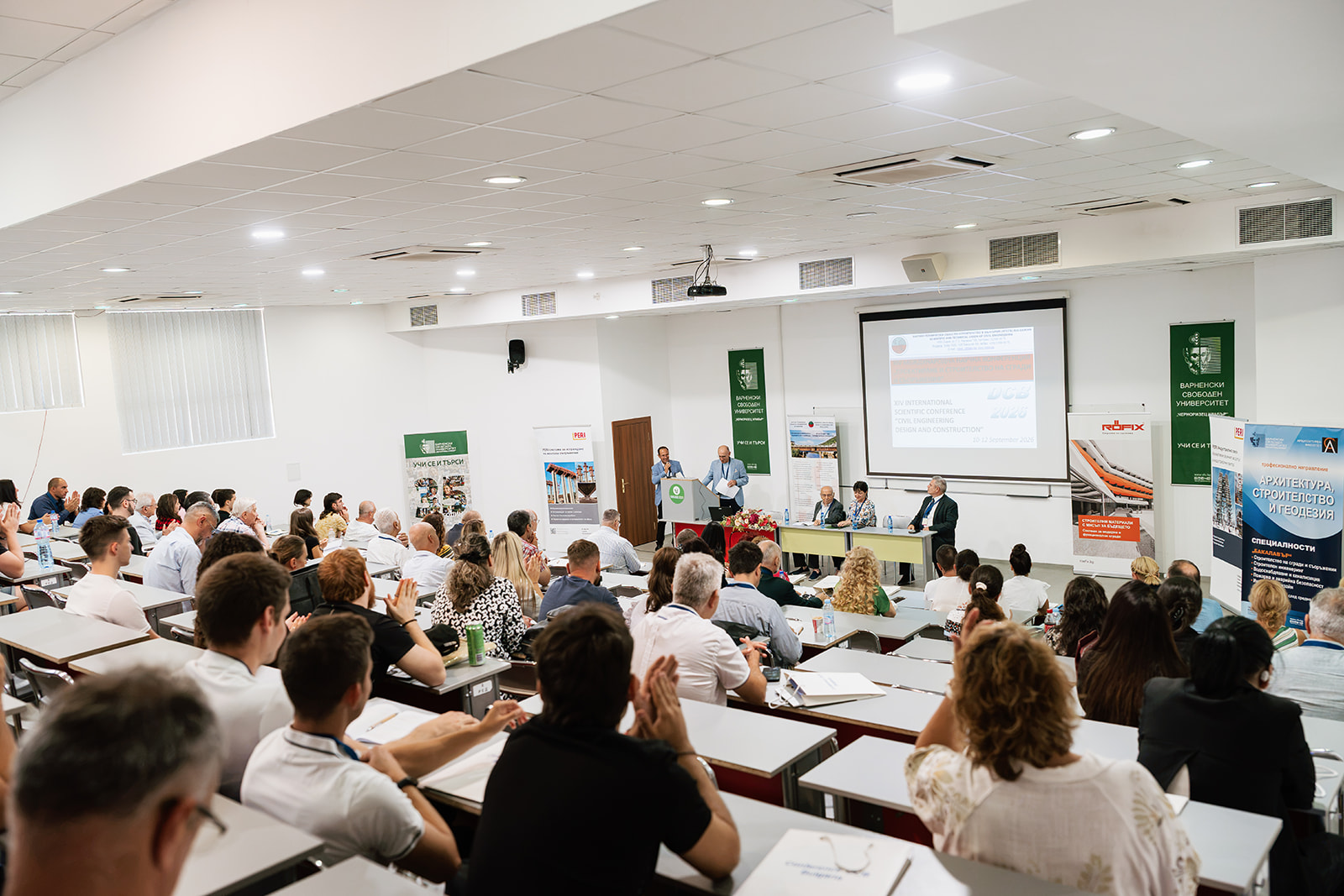
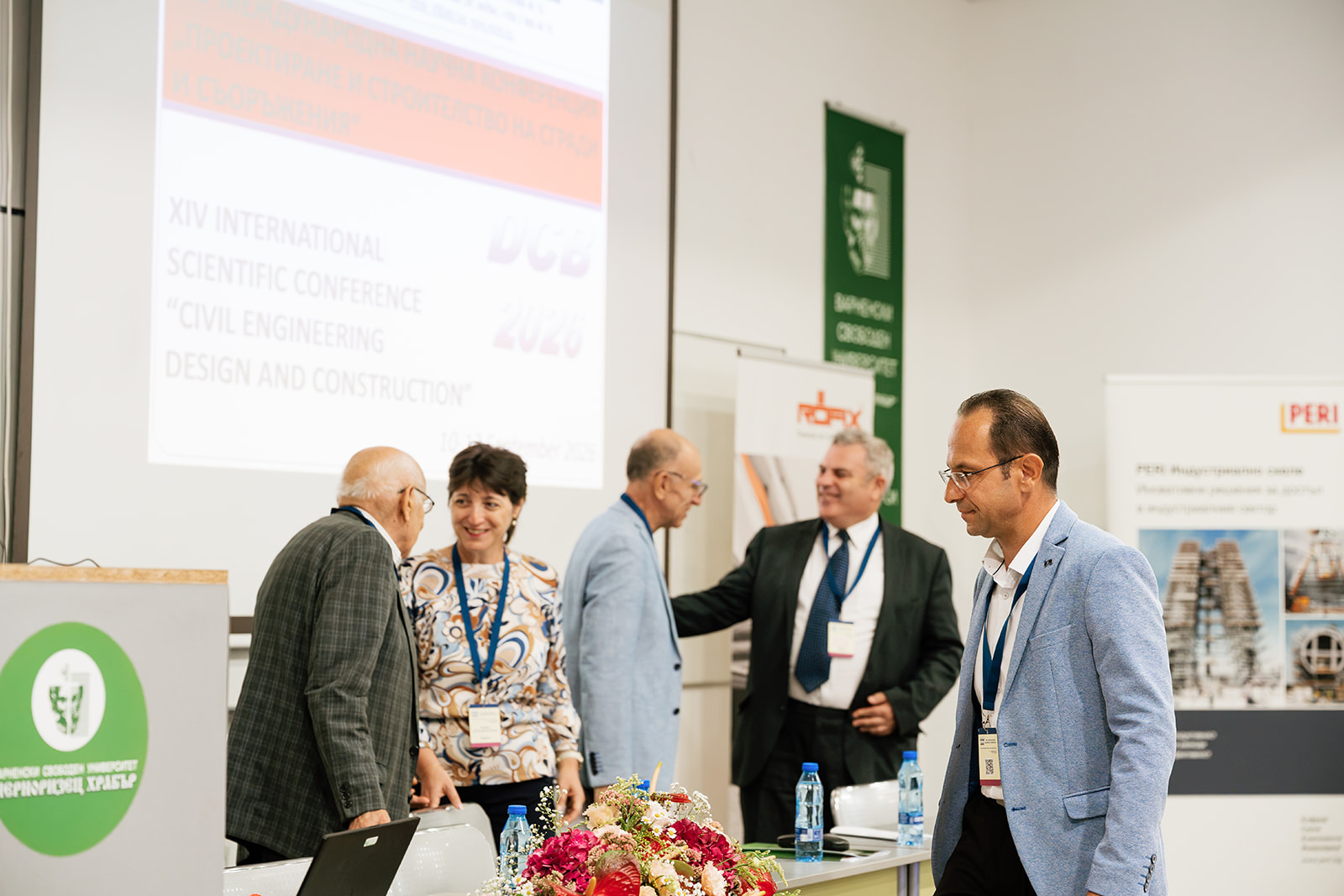
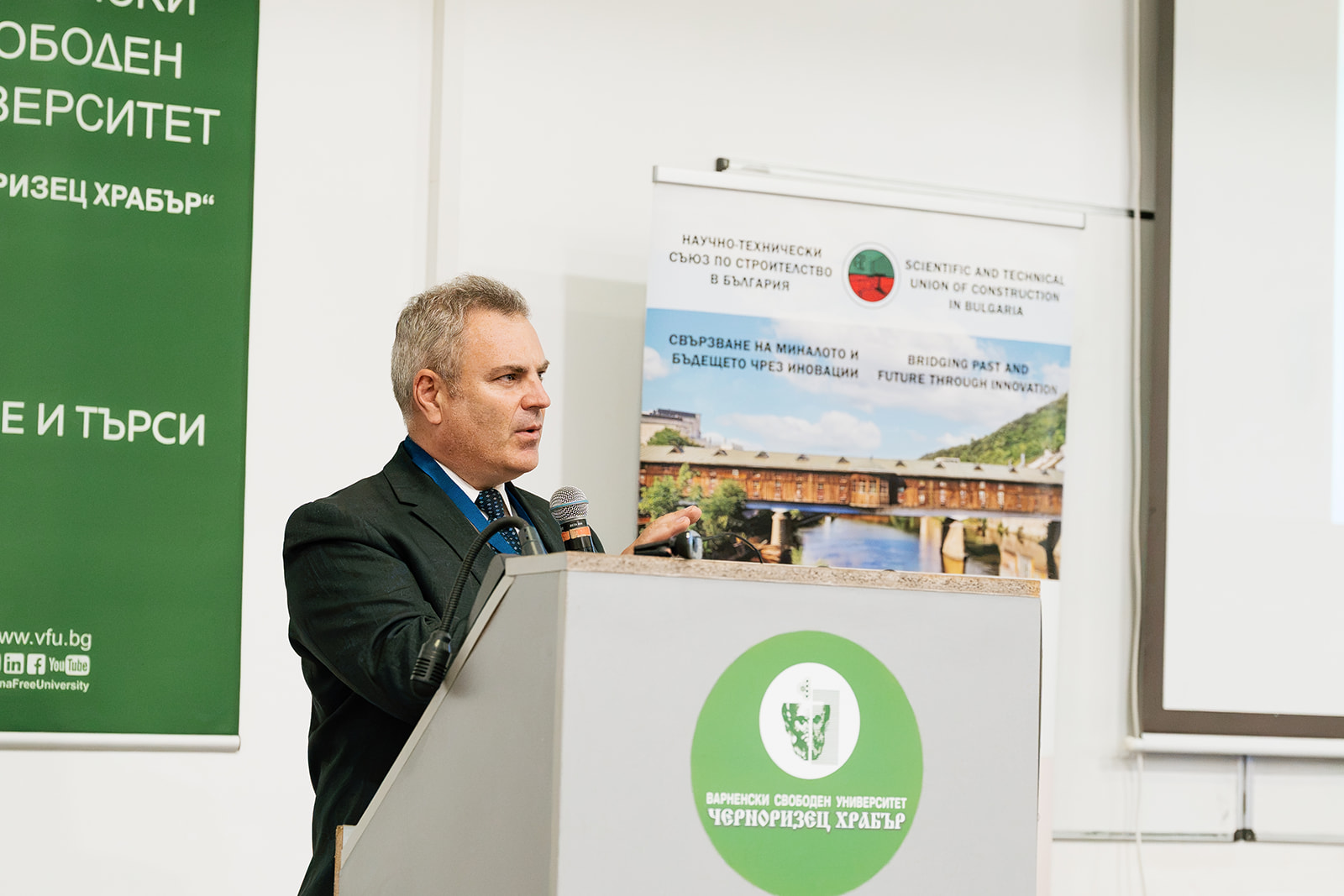
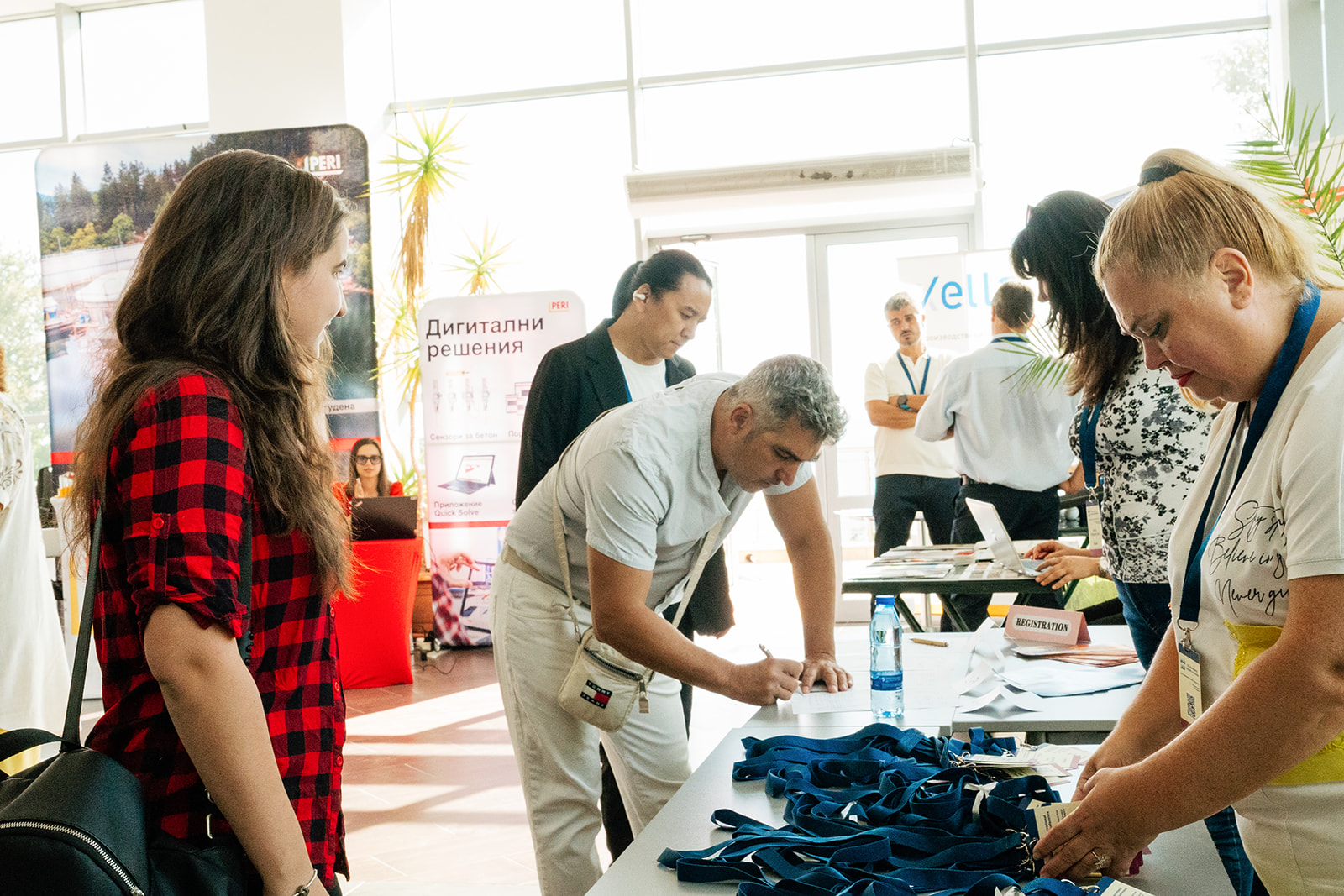
The 14th International Scientific Conference “Design and Construction of Buildings and Facilities” - DCB 2026 was officially opened today at Varna Free University “Chernorizets Hrabar”. The two-day forum brings together academics, professionals and students from Bulgaria, India, Ireland, China, Kosovo, Nigeria, Serbia and Syria. DCB 2026 is organized by the Scientific and Technical Union of Construction in Bulgaria in partnership with the Faculty of Architecture at Varna Free University “Chernorizets Hrabar”.
The conference was officially opened by Assoc. Prof. Dr. Eng. Lachezar Hrishtchev, Chairperson of the Scientific and Technical Union of Construction in Bulgaria; Prof. D.Sc. Dimitar Kanev, Vice-Rector of Varna Free University “Chernorizets Hrabar”; Assoc. Prof. Dr. Eng. Rositsa Petkova-Slipec, Dean of the Faculty of Architecture; Academician Yachko Ivanov, Full Member of the Bulgarian Academy of Sciences and a distinguished scholar in rheology and construction materials; and Dr. Robert Eady, Senior Lecturer in Construction Management at Ulster University in Belfast and Head of the MSc programme in Civil and Infrastructure Engineering.
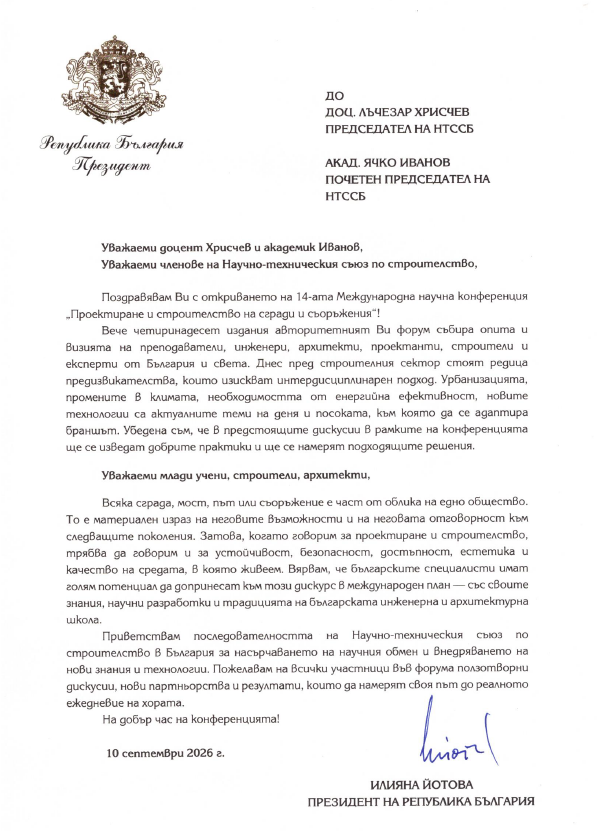
A congratulatory address from the President of the Republic of Bulgaria, Iliana Iotova, was read at the opening. The scientific forum is being held under her patronage.
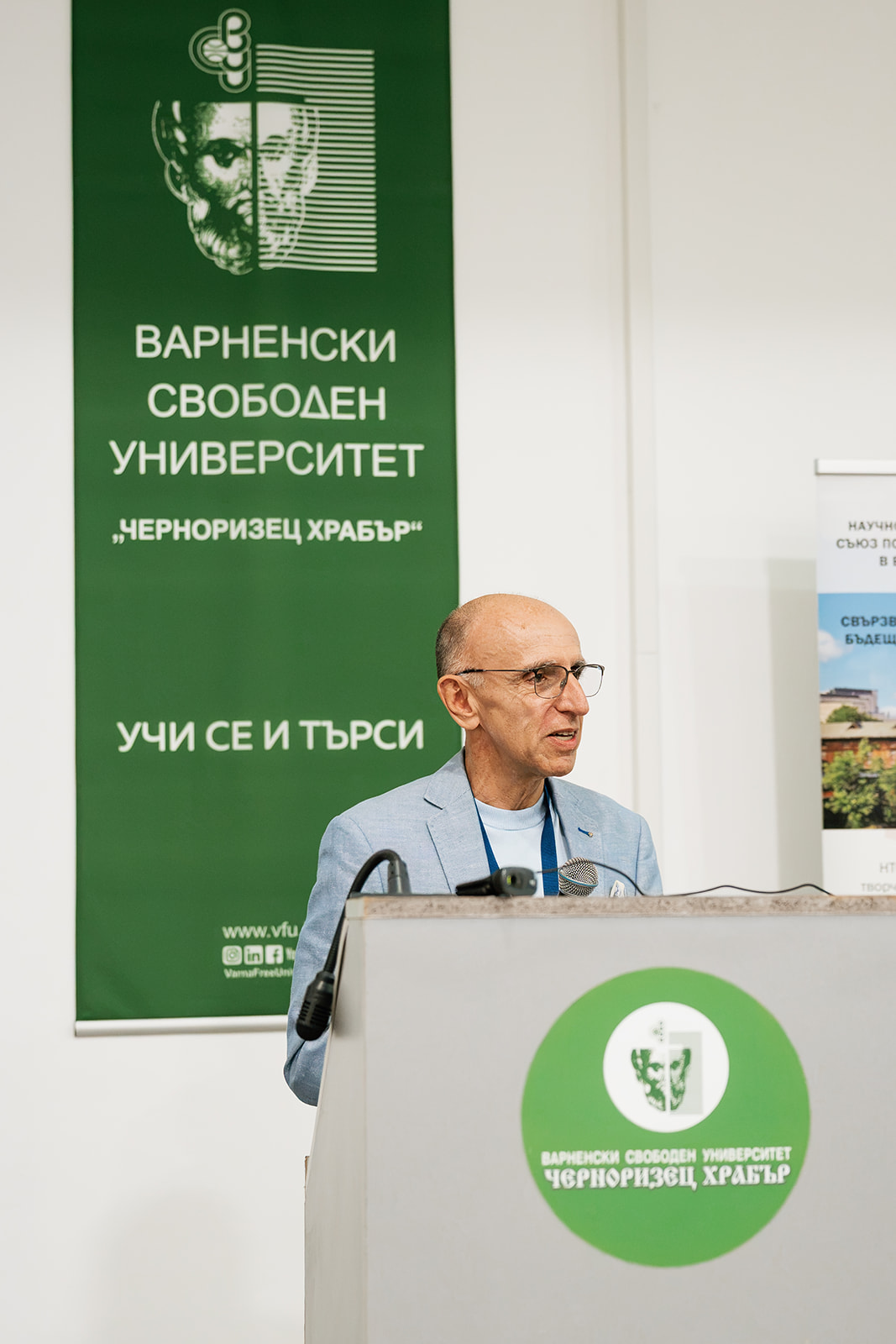 In his welcoming remarks, Prof. Dimitar Kanev drew a parallel between the resilience of buildings and the development of science. “Behind every visible result lie the structure, calculations, materials, engineering solutions, experience and knowledge of many people. The same, he noted, applies to every scientific achievement, which is the result of a sustained process of exploration, verification, debate and the accumulation of knowledge.”
The Vice-Rector highlighted the conference’s role as a platform that connects fundamental knowledge with applied solutions, universities with professional practice, the experience of established specialists with the ideas of young researchers, and national expertise with international exchange.
“Our task as a university is to be part of this strong structure,” Prof. Kanev said. He noted that digital design, new materials, automation, artificial intelligence, sustainable construction and energy efficiency are transforming the way professionals think about buildings, the urban environment and quality of life.
Assoc. Prof. Lachezar Hrishtchev thanked Varna Free University “Chernorizets Hrabar” and its Faculty of Architecture for hosting and supporting the conference over many years. He described the event as a scientific and applied forum whose research findings have a direct impact on professional practice. Among the current areas of focus, he highlighted innovations in construction materials, sustainable development, the recycling of construction products, BIM technologies and artificial intelligence.
Dr. Robert Eady drew attention to the responsibility of architects and engineers, whose decisions affect the lives and safety of large numbers of people. He called on participants to use the conference as an opportunity to exchange information, establish professional contacts and expand the boundaries of scientific knowledge.
The scientific programme features 101 papers presented across three thematic sections. More than 20 students from Varna Free University “Chernorizets Hrabar”, the University of Architecture, Civil Engineering and Geodesy, and the Academy of the Ministry of Interior are also taking part in the conference.
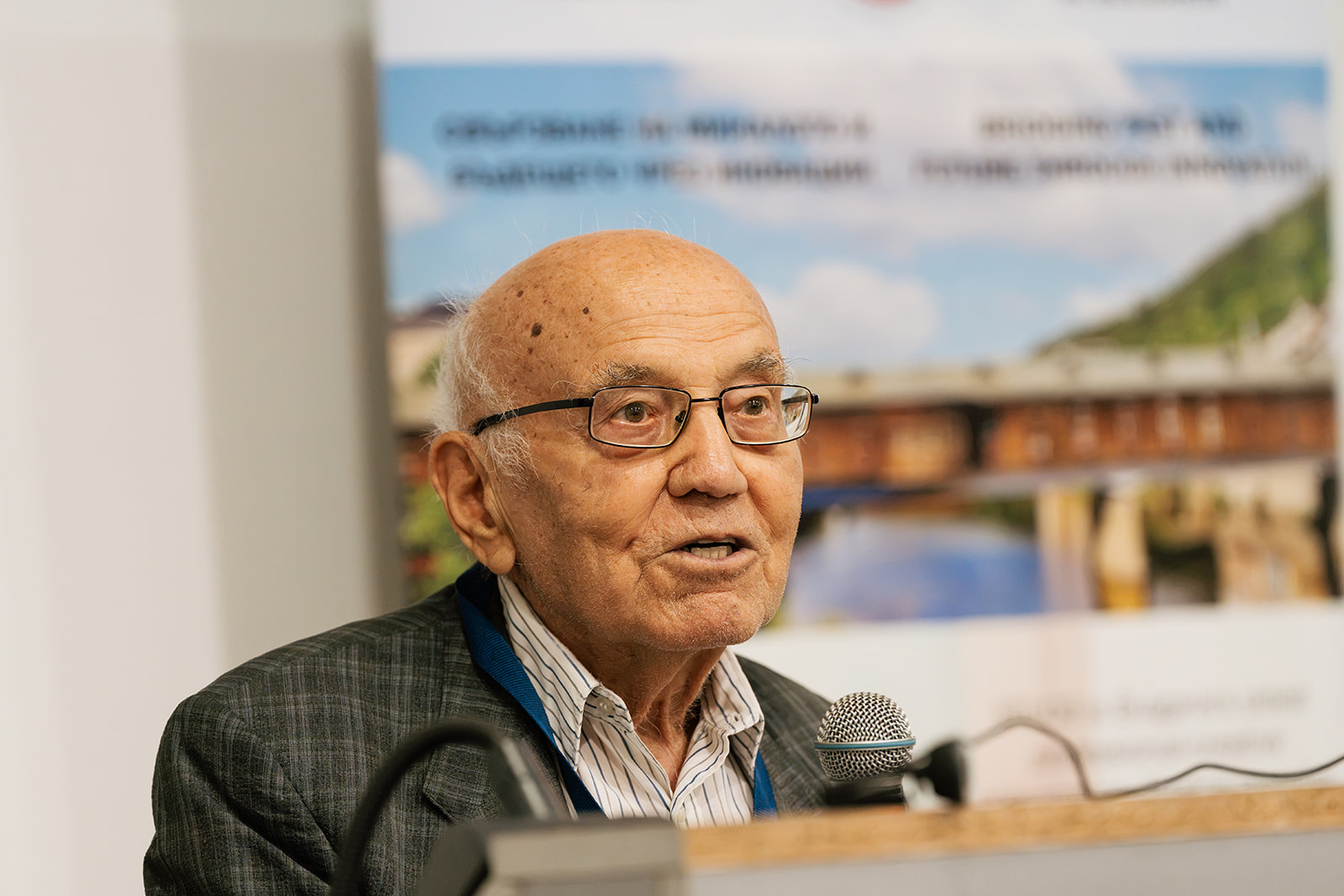
Academician Yachko Ivanov presented the topic of self-healing asphalt mixtures. His paper, “Self-Healing Asphalt Mixtures - A Critical Scientific and Engineering Review,” examines the development of the technology and the possibilities for its application in construction practice.
The plenary paper “Contemporary Digital Technologies in Construction” was presented by Assoc. Prof. Rositsa Petkova-Slipec. She traced the digital transformation of the sector and outlined the potential of 3D printing, robotic systems, the Internet of Things, machine learning and digital twins.
Assoc. Prof. Petkova-Slipec presented the concepts of “Construction 4.0” and “Construction 5.0”, in which technological development is combined with sustainability and human comfort in the built environment. As an example of the use of digital technologies to preserve cultural memory, she highlighted the “Invisible City” project, which received the “Varna Award” in 2026.
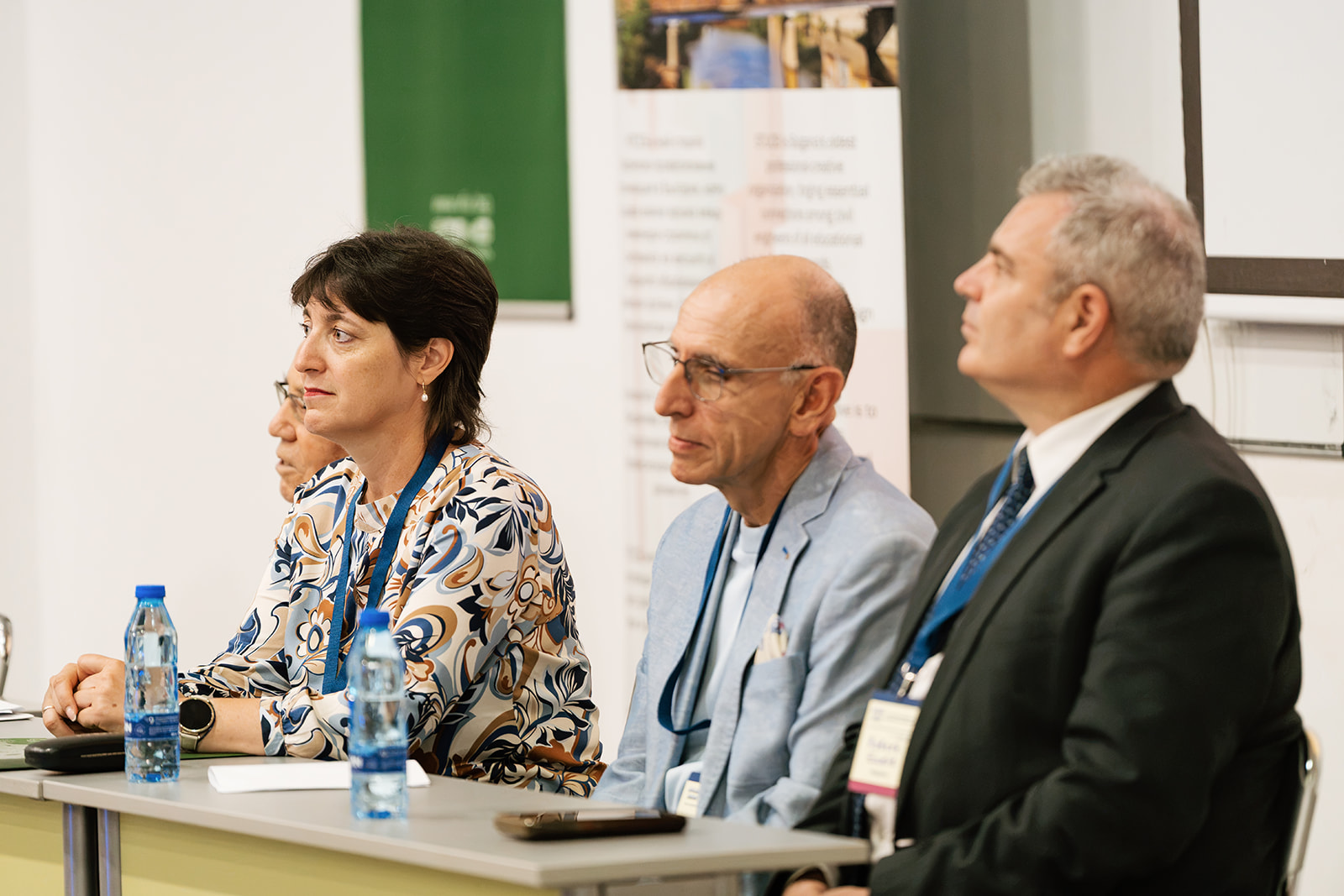
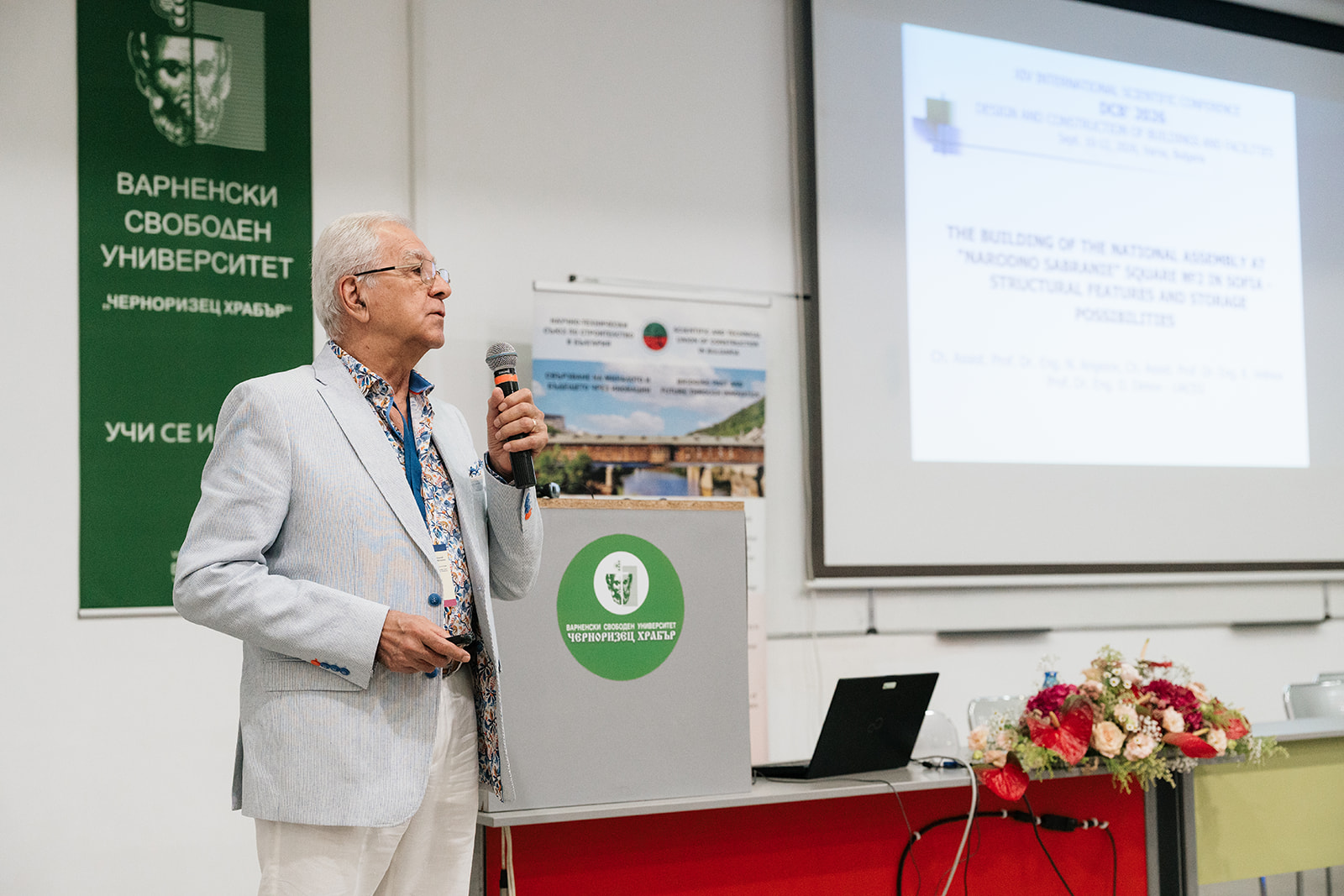
The other plenary paper examined the structural features of the National Assembly building on the square of the same name in Sofia, as well as possibilities for its preservation. It was presented by a research team consisting of Prof. Dr. Eng. Dimitar Dimov, Chief Assist. Prof. Dr. Eng. Nikola Angelov and Chief Assist. Prof. Dr. Eng. Konstantin Velinov from the University of Architecture, Civil Engineering and Geodesy.
The conference topics include low-carbon cements, 3D printing in construction, materials recycling, energy efficiency, seismic engineering, fire safety, cultural heritage preservation, BIM and the application of artificial intelligence.
The conference continues tomorrow, September 11th.
Photos: Tsvetan Georgiev
More photos: